Source eco friendly modern dance trophy for events, gifts, and decoration
Find 30 eco friendly modern dance trophy options from Chinese manufacturers. Compare metal sculptures with die casting and plating techniques suitable for sports events, holiday gifts, and public decoration.
Key considerations
Products List
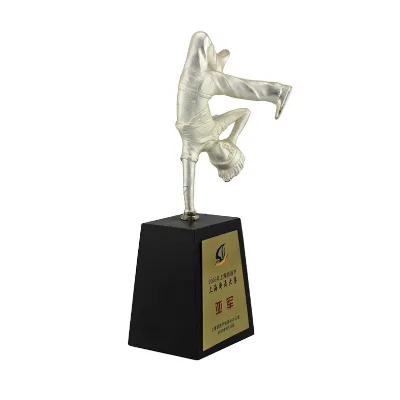



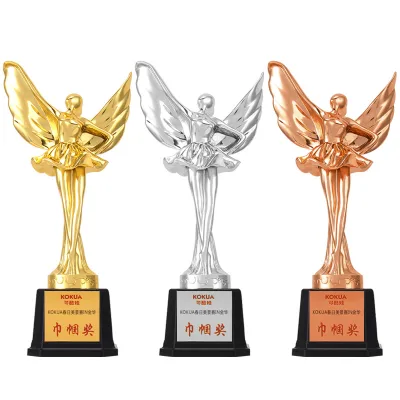

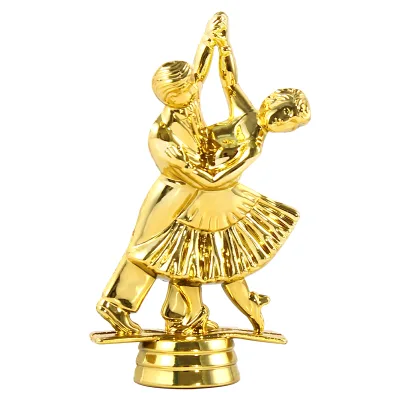
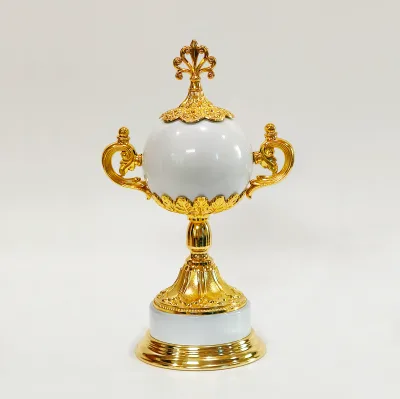





Comprehensive Sourcing Guide
Strategic Sourcing Guide for Eco-Friendly Modern Dance Trophies
Understanding the Product Landscape and Technical Specifications
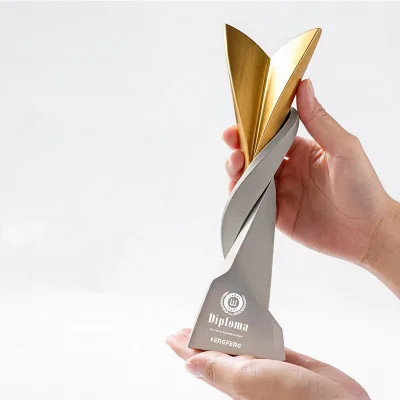
The modern dance trophy market has evolved to prioritize aesthetic innovation alongside functional durability, with a growing emphasis on sustainable manufacturing practices. When sourcing an "eco-friendly modern dance trophy," buyers must first navigate a complex array of technical attributes that define the product's physical and environmental profile. Based on available market data, these trophies are predominantly constructed from metal, utilizing processes such as die casting, polishing, and plating to achieve a high-gloss finish. The manufacturing technique often combines industrial precision with hand-made elements, ensuring that each piece retains a unique artistic quality suitable for dance competitions and public decoration.
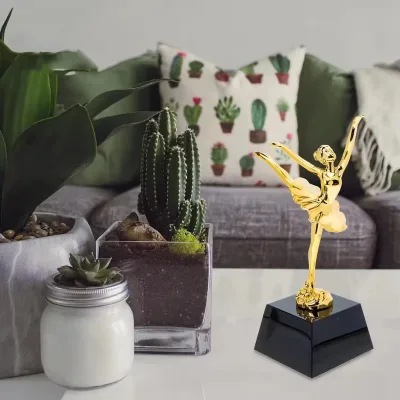
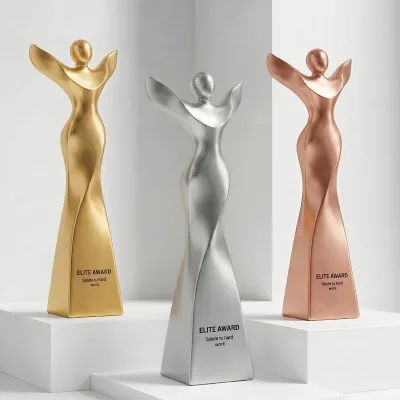
The physical dimensions of these trophies vary significantly to accommodate different award tiers. Observed specifications include sizes ranging from compact 14829.5cm units to larger formats extending up to 28cm or more. The shape is a critical differentiator, with designs frequently featuring dynamic figures such as hip-hop dancers or abstract natural forms that capture the essence of movement. While the base material is consistently metal, the surface treatment plays a vital role in the product's longevity and environmental impact. Techniques such as electroplating, sandblasting, engraving, and 3D printing are employed to create textures and finishes. Colors range from standard metallic tones like silver, gold, copper, and bronze to specific custom requests like white or black, with some options offering transparent or multi-color finishes.
The "eco-friendly" aspect of the modern dance trophy is not merely a marketing label but is rooted in the production process and material selection. Buyers should look for suppliers who utilize die casting, a method that allows for high material efficiency and minimal waste compared to traditional casting methods. Furthermore, the availability of customized packaging, such as polyfoam and inner boxes or cartons, suggests a potential for optimizing logistics to reduce carbon footprints during shipping. The customization options extend to logos and designs, allowing organizations to align the trophy with their specific sustainability goals. It is essential to verify that the "natural" or "modern" style claims are supported by the actual design language, which often includes simple, creative, and classic elements suitable for universal application in sports events, business gifts, and art collections.
Compliance, Certification, and Environmental Standards
Navigating the regulatory landscape is a critical step in sourcing eco-friendly products, particularly when dealing with international trade. For dance trophies intended for global distribution, compliance with specific safety and environmental standards is non-negotiable. The supply chain for metal trophies often requires adherence to rigorous testing protocols to ensure the product is safe for human contact and environmentally benign.
Buyers must verify that suppliers possess valid certifications such as CE, EN71-3, RoHS, and ASTM. These certifications are indicative of a supplier's commitment to quality and safety. The CE mark confirms conformity with health, safety, and environmental protection standards for products sold within the European Economic Area. EN71-3 specifically addresses the migration of certain elements in toys and decorative items, ensuring that the metal plating and paints used do not contain harmful levels of heavy metals. RoHS (Restriction of Hazardous Substances) compliance is particularly relevant for the "eco-friendly" claim, as it restricts the use of lead, mercury, cadmium, and other hazardous materials in electronic and metal components. ASTM standards provide a framework for material testing and safety, ensuring the trophy meets international benchmarks for durability and chemical safety.
When evaluating a supplier, procurement teams should request current test reports and certificates of conformity. It is important to note that while some products may claim these certifications, the burden of verification lies with the buyer. The presence of a "1-year warranty" is another indicator of a supplier's confidence in their product's durability and adherence to quality standards. However, warranty terms should be scrutinized to understand what specific failures are covered, particularly regarding the plating and structural integrity of the metal.
The environmental impact of the production process also extends to the surface treatments used. Painted and plated surfaces must be free from volatile organic compounds (VOCs) and other pollutants. Buyers should inquire about the specific chemicals used in the plating and painting processes to ensure they align with modern environmental regulations. Additionally, the "Made in China" origin, specifically from regions like Quanzhou City or Shenzhen, requires due diligence regarding local environmental regulations and the supplier's own sustainability initiatives. A supplier's ability to provide transparent documentation regarding their waste management and energy usage during the die-casting and polishing phases is a strong indicator of their genuine commitment to eco-friendly practices.
Cost Drivers and Pricing Dynamics
The pricing of modern dance trophies is influenced by a multitude of factors, ranging from raw material costs to the complexity of the customization process. The observed price range in the market spans from $0.26 to $233, a variance that reflects differences in size, material quality, and the extent of customization. Understanding these cost drivers is essential for budgeting and negotiating effectively with suppliers.
Material costs constitute a significant portion of the final price. Metal trophies, particularly those made from brass, bronze, or copper, are subject to fluctuations in global commodity markets. The die-casting process, while efficient, requires significant energy input, which can impact the overall cost. The thickness and weight of the metal used also play a role; larger trophies with more substantial bases will naturally cost more than smaller, lightweight versions.
Customization is another major cost driver. The availability of personalized custom logos, specific color requests, and unique shapes adds to the production complexity. Suppliers that offer "warmly welcomed" OEM services and accept custom designs often charge a premium for the additional engineering and setup time required. The "hand-made" aspect of the finishing process, such as polishing and detailed engraving, further increases labor costs. Conversely, standard, off-the-shelf designs with minimal customization will be more cost-effective.
The Minimum Order Quantity (MOQ) also affects the unit price. The observed MOQ range is between 1 and 800 pieces. Suppliers with lower MOQs, such as those accepting single items, may charge a higher per-unit price to cover setup and administrative costs. In contrast, bulk orders of 800 pieces or more often benefit from economies of scale, resulting in a lower cost per unit. Buyers should carefully balance their order volume with their budget constraints. For large-scale events, ordering in bulk can significantly reduce the per-unit cost, whereas small, specialized orders may require a higher budget allocation.
Packaging costs are another variable to consider. While some suppliers offer customized packing, others use standard polyfoam and inner boxes or cartons. The choice of packaging material and the level of protection provided can influence the final price. Eco-friendly packaging options, such as recyclable materials, may come at a slight premium but can align with the buyer's sustainability goals.
Typical Applications and Usage Scenarios
Modern dance trophies are versatile products designed for a wide range of applications, making them suitable for diverse events and purposes. The primary usage scenarios include public decoration, sports activities events, and holiday gifts. The dynamic shapes, such as hip-hop dancers and natural forms, make these trophies particularly appealing for dance competitions, performance awards, and artistic recognition ceremonies.
In the context of sports activities, these trophies serve as prestigious awards for winners and participants. The metal construction ensures durability, allowing them to be displayed prominently in trophy cases or public spaces. The "Universal" suitability of these products means they can be adapted for various types of competitions, from local school events to international championships. The ability to customize the logo and design allows organizations to brand the trophies with their specific event identity, enhancing the sense of occasion and recognition.
Beyond sports, these trophies are increasingly used as business gifts and souvenirs. The "Simple, Modern, Creative, and Classics" styles cater to corporate gifting needs, where a high-quality, aesthetically pleasing item is required to leave a lasting impression. The "Art & Collection" usage category highlights the potential for these trophies to be valued as decorative pieces in homes or offices. The "Holiday Gifts" application suggests their suitability for seasonal promotions and special occasion giveaways.
The "Outdoor" suitability of some models indicates that they are designed to withstand environmental factors, making them appropriate for outdoor ceremonies or public installations. However, buyers should verify the specific weather resistance of the plating and finish to ensure long-term durability in outdoor settings. The "Natural" style and "Animals Design" options add a unique aesthetic dimension, making these trophies suitable for nature-themed events or educational institutions.
Supplier Evaluation and Selection Criteria
Selecting the right supplier is crucial for ensuring the quality, compliance, and timely delivery of eco-friendly modern dance trophies. Buyers should adopt a rigorous evaluation process that goes beyond price comparisons to assess the supplier's overall capabilities and reliability.
First, verify the supplier's production capacity and lead times. The observed supply ability of 1000 pieces per month provides a baseline for understanding the supplier's volume capabilities. However, buyers should confirm if this capacity can be scaled up for larger orders and what the lead times are for custom designs. The port of dispatch, typically Shenzhen, is a key logistical factor that influences shipping costs and delivery times.
Second, assess the supplier's commitment to quality and customization. Look for evidence of their "OEM" and "Customization" capabilities. Suppliers that warmly welcome OEM requests and offer personalized custom logos are better positioned to meet specific buyer needs. The "Sample: Free" attribute is a positive indicator, allowing buyers to evaluate the product quality before committing to a large order.
Third, evaluate the supplier's compliance with environmental and safety standards. As discussed earlier, verify the presence of CE, EN71-3, RoHS, and ASTM certifications. Request copies of test reports and certificates to ensure they are current and valid. A supplier that proactively provides this information demonstrates transparency and a commitment to quality.
Fourth, consider the supplier's packaging and logistics capabilities. The availability of customized packing and standard options like polyfoam and inner boxes or cartons is important for protecting the product during transit. Inquire about their packaging materials to ensure they align with your sustainability goals.
Finally, review the supplier's customer service and communication. A responsive supplier who is willing to provide detailed information about their products, processes, and policies is essential for a successful procurement relationship. The "Warranty: 1 Year" offer is a strong indicator of confidence in product quality, but buyers should clarify the terms and conditions of the warranty.
Quality Control and Long-Term Procurement Considerations
Implementing a robust quality control (QC) strategy is essential for ensuring that the sourced trophies meet the required standards and expectations. Given the complexity of the manufacturing process, which includes die casting, polishing, plating, and hand-made finishing, buyers should establish clear QC checkpoints throughout the production cycle.
Initial QC should focus on the raw materials. Verify that the metal used meets the specified standards and is free from impurities. During the die-casting and polishing stages, inspect the surface finish for any defects such as pits, scratches, or uneven plating. The "Plated" and "Painted" surface treatments require particular attention to ensure they are uniform and durable.
Mid-production QC should involve checking the dimensions and shape of the trophies against the provided specifications. The "14829.5cm" size and other standard dimensions must be accurate to ensure consistency across the order. Inspect the customization elements, such as logos and colors, to ensure they match the approved samples.
Final QC should include a comprehensive inspection of the finished product. Check for any cosmetic defects, verify the weight and balance, and ensure the packaging is secure and appropriate. Conduct random sampling to test the durability and resistance of the plating and paint. If the trophies are intended for outdoor use, perform additional tests to assess their weather resistance.
Long-term procurement considerations involve building a sustainable relationship with the supplier. Establish clear communication channels and regular review meetings to discuss performance, quality issues, and potential improvements. Monitor the supplier's compliance with environmental standards and their ability to adapt to changing market conditions. Consider diversifying the supplier base to mitigate risks associated with single-source dependency.
In conclusion, sourcing eco-friendly modern dance trophies requires a comprehensive approach that balances technical specifications, compliance, cost, and quality. By carefully evaluating suppliers and implementing rigorous QC measures, buyers can secure high-quality products that meet their specific needs and sustainability goals. The dynamic nature of the dance trophy market, with its wide range of styles and customization options, offers ample opportunities for buyers to find the perfect product for their events and applications.
FAQs
What certifications do eco friendly modern dance trophies have?
These trophies typically hold CE, EN71-3, RoHS, and ASTM certifications. These standards ensure the metal plating and paints are safe and free from hazardous substances like lead or mercury for global distribution.
How can I customize the logo on a metal dance trophy?
You can request a personalized custom logo as OEM services are warmly welcomed. Suppliers offer engraving, sandblasting, and printing techniques to apply your design to the metal surface.
What is the minimum order quantity for these metal trophies?
The minimum order quantity ranges from 1 to 800 pieces depending on the supplier. Lower MOQs allow for single item purchases, while bulk orders often benefit from economies of scale.
Which materials are used to make these dance trophies?
The trophies are constructed from metal using processes like die casting, polishing, and plating. Surface treatments include painting, 3D techniques, and various metal crafts like engraving and sandblasting.
Can I get free samples before placing a large order?
Yes, suppliers often provide free samples for evaluation. This allows you to verify the quality of the metal craft, plating finish, and overall dimensions before committing to a bulk purchase.
What are the standard dimensions for these metal trophies?
Standard sizes include 14*8*29.5cm, 15cm, 16cm, 18cm, 20cm, 22cm, 24cm, and 28cm. Custom dimensions are also available to meet specific event or display requirements.
Where are these eco friendly modern dance trophies manufactured?
These products are manufactured in China, specifically in Quanzhou City and dispatched from Shenzhen. The origin ensures access to established metal crafting facilities and supply chains.